How To Read
Back in the good old bad old days I worked with a guy who would take summers off to go work in Alaska as a hunting guide. He’d return in the fall with an assortment of wilderness stories. One of them was about when the other guides and he all got stuck for a week in the back country waiting for the plane to pick them up. They ended up having to trek miles to another pick up site and wait for the plane there. On the way one of the guys dropped his book in the river and wound up with nothing to read.
For a week they were stuck in tents waiting out the rain and waiting for this plane to show up, and the guy had nothing to read. So he started reading the ingredients listed on the soup cans. Over and over again. By the end of the week he had memorized them and could rattle them off in a litany. Chicken noodle. Minestrone. Whatever they had.
That’s how to read.
Desperately. Obsessively. Like your life depended on it.
To Trunk Or Not To Trunk
Reasons to trunk a story:
- If it were published you wouldn’t tell anyone and you’d hope no one would read it.
- You know it’s not together yet. Parts might be working, but parts aren’t. It will simply accrue rejections and thereby limit its markets for when you do figure it out in the future. Put these on the trunk’s top shelf. Months from now you might know exactly what needs to be done with them.
- You’ve seen hundreds of stories exactly like it in the slush and yours isn’t any better.
- Better a story go in the trunk then e-pub it and guilt all your friends into buying it.
With the caveat:
NEVER THROW ANYTHING OUT.
Heads. I Win.
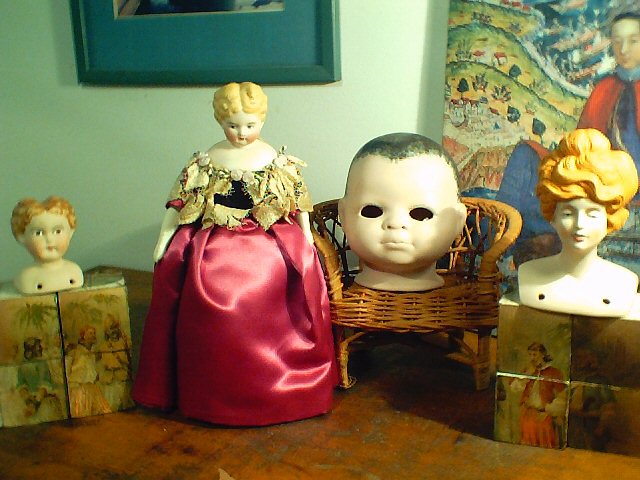
Mr. Bowes, I suspect this frightening tableaux originated with you, yes?
August Update
August is here.
The beach in town is filthy with humanity leaving their trash around. It’s downright apocalyptic. To make matters worse the mayor has cordoned off a section of the beachfront and designated it an “International Zone”. Yes, town now has its own Interzone. There’s even a monument and everything. We’re not at “Lee and the Boys” levels yet, but I wonder if the mayor’s a secret William S. Burroughs fan.
(Remind me not to go back to the beach until, say. . . October. Also, shit, second WSB reference in a month. I’ll allow myself one more for the year.)
The heat’s giving me migraines, so I went to the doctor’s. He gave me meds, put me in a headlock, and knuckle-punched me in the skull right behind my left ear. That was fun, but I’m not sure he needed to wear a Luchador mask while he did it.
Hey, you know what’s great? Owning one’s mistakes and pledging to do better.
I’ve one more week of school left to teach, then staycation starts along with a heap of novel writing and revising. It’s actually been going on for a bit – but I won’t bore you with the details. Who the fuck wants to read about writing? On an unrelated note, Jin’s been looking at real estate listings more and more often. I’m not sure what this portends.
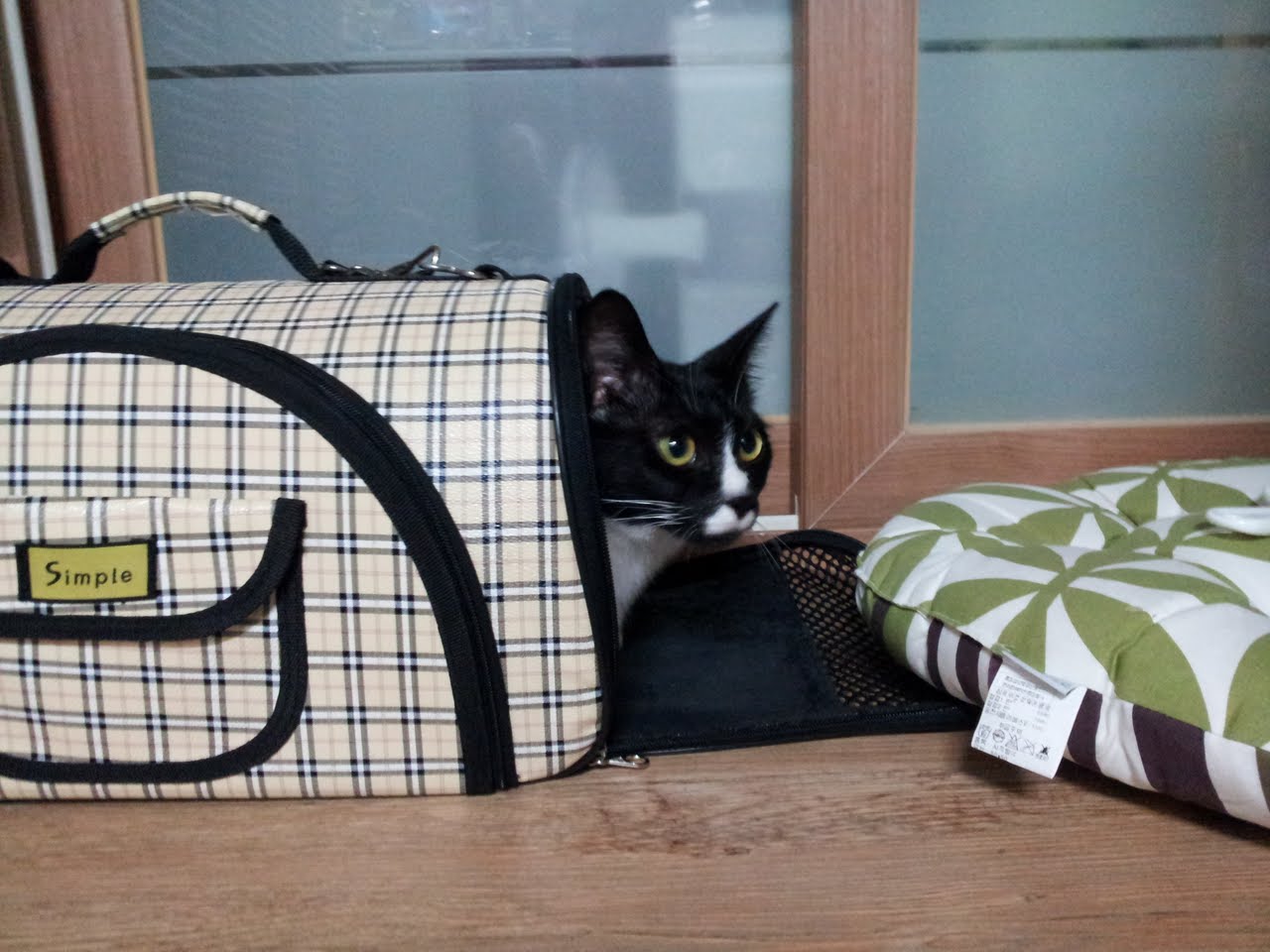
Lastly, we’re housesitting a cat for the next two weeks. Say hello to Ms. Switch.
“Memoirs of Journeys to Venice and the Low Countries” by Albrecht Durer

“Here I am a gentleman, at home a parasite.”
I downloaded this from Gutenberg. It’s delightfully dull — all about buying and selling jewels (for friends and to pay back his own debts), complaining about Italian painters (rascals, all of them, except Giovanni Bellini), worrying about his mom (he was paying her rent as well as his wife’s back in Germany), and admonishing his kid brother (do not neglect your studies). For much of it Durer seems to be balancing his account book. “How many florins did I spend on dinner last night?” Benvenuto Cellini, he’s not. Very rarely does Durer mention art, except in its most mundane obligatory sense: “The German commune hired me to paint an altarpiece. I should be done in a month and should be able to pay you back then.” One month later: “Altarpiece taking longer than expected.” And, if Durer engages in any hell-raising, he’s discreet enough not to write home about it.
But there are bits of humor and Durer’s character, at least as a friend, comes across:
“My French mantle greets you, and so does my Italian coat. It seems to me that you smell of gallantry. I can scent it from here; and they say here, that when you go courting, you pretend to be no more than 25 years old. Oh, yes! Multiply that and I’ll believe it.”
Durer’s now in the Low Countries with his wife and he’s using his prints as money. “Had sumptuous dinner with guildmaster. Must have cost a fortune in florins. Gave him a gift of an Annunciation in thanks. He gave my wife a parrot. Bought cage for parrot.”
Then there are the mundane details that I love: Durer dates his letters by church holiday as well as calendar day; he attempts to describe a parade he saw in Holland in honor of the Emperor… and it’s something else with costumes and each guild, society, and church group putting on their own display and a constructed dragon at the end surrounded by knights and ladies and led in chains.
Definitely recommended for folks into unsexy travelogues and dull time travel (what, you’re not?) and who don’t mind having the occasional eye-glazing moment when Durer gets preoccupied with his accounting.
“Now did I pay Hans a stiver or a florin or a pfennig or a…”
Buy These E-Books
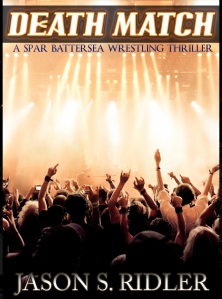

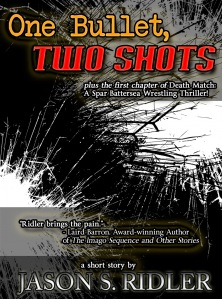
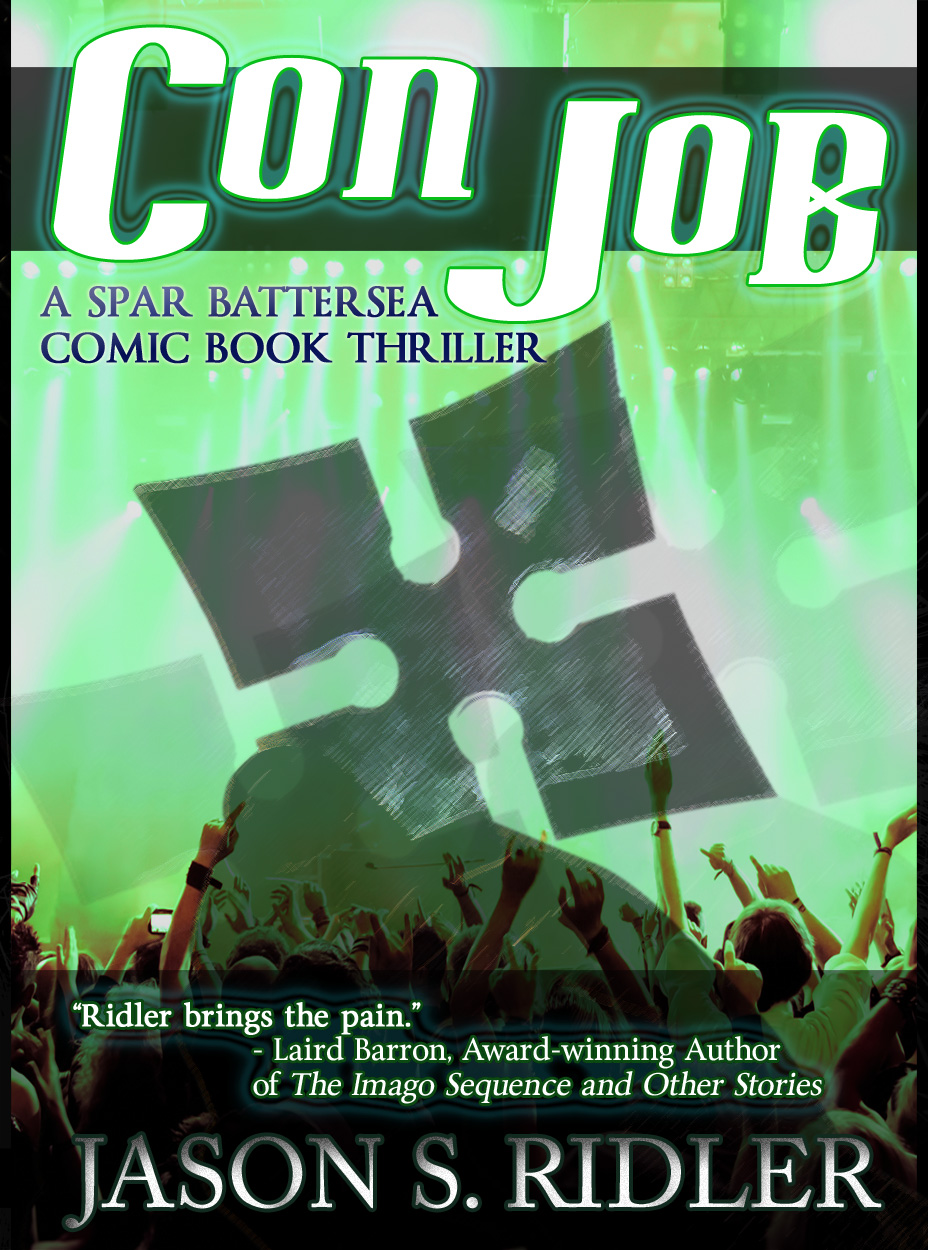
My buddy Jay Ridler has come out swinging this past year with a slew of e-books over at Amazon.
So far I’ve been digging the Spar Battersea novels, the first of which Death Match got described as “a rock ‘em sock ‘em addition to the noir canon. Gritty, relentless, and wry as hell, Ridler brings the pain” by the likes of Laird Barron and “Fast, breezy and barbarous, Death Match is a fine, innovative noir from an exciting new writer. Reading the book is like eating a corn dog while watching a lard fire run through a greasy-spoon, it’s both tasty and nasty” by Lucius Shepard (if you’ve never read his horror/weird/crime novel A Handbook of American Prayer, you should, like, right now).
And the second Spar novel, Con Job, takes place at a comic con… so what are you waiting for! But… among the many good things Jay has done this year my favorite is this Game that goes like this:
New game I’ve invented. If you’re keen, play along!
Whenever you feel the urge to look at X, look at your work in progress instead. +2 ptsWhenever you feel the urge to look at X, start reading a new short story. +1 ptsWhenever you feel the urge to post on X, write 100 new words instead. +5 pts.When you reach 50 points, you may look at X and do what you want with it all day. Then start again!
Ur Update
In case anyone’s curious about what’s been going on with the Vaults of Ur, Dennis has been doing a stellar job writing up play reports.
Images. Millions of Images. That’s What I Need.

Like most people I have folders and folders full of pictures glommed from all over the Internet. Lately I’ve been making crude collages with them on power point. The above is for a short story about a junky ghost hunter and the codependent relationship he has with his assistants. I made it after the story was written, which is a bit different than using it to brainstorm.
 That’s one for a story in process. It hasn’t come together yet like the first one, but that’s likely because the story’s not done. Evocation’s my goal, and there’s a tendency to be prejudiced towards the chosen images and using them to illustrate the story, as opposed to finding the pictures that evoke the story best.
A Few Things
I’m putting these here so I remember them.
John Coulthart has a great post on past attempts to produce covers for M. John Harrison’s Viriconium sequence. Am I fan of Harrison? Of course I’m a fan. Coulthart then has a follow-up post on what he’d like to see in new covers. Speaking of Viriconium, over at M. John Harrison’s blog there’s a new piece of fiction set in that city.
Another thing…
This essay by Ursula K. LeGuin over at Book View Cafe. I can’t agree with it enough. How about these quotes:
Literature is the extant body of written art. All novels belong to it.
The value judgment concealed in distinguishing one novel as literature and another as genre vanishes with the distinction.
Every readable novel can give true pleasure. Every novel read by choice is read because it gives true pleasure.
And finally, a poem by Meng Jiao (a Tang Dynasty poet):
Wanderer’s Song
The thread in the hand of a kind mother
Is the coat on the wanderer’s back.
Before he left she stitched it close
In secret fear that he would be slow to return.
Who will say that the inch of grass in his heart
Is gratitude enough for all the sunshine of spring?

 Yesterweird
