February 2026 post: Queen of the Hollow House and More
Hello.
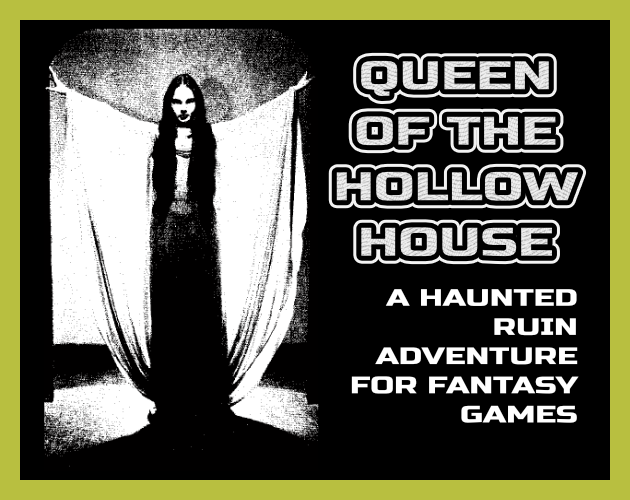
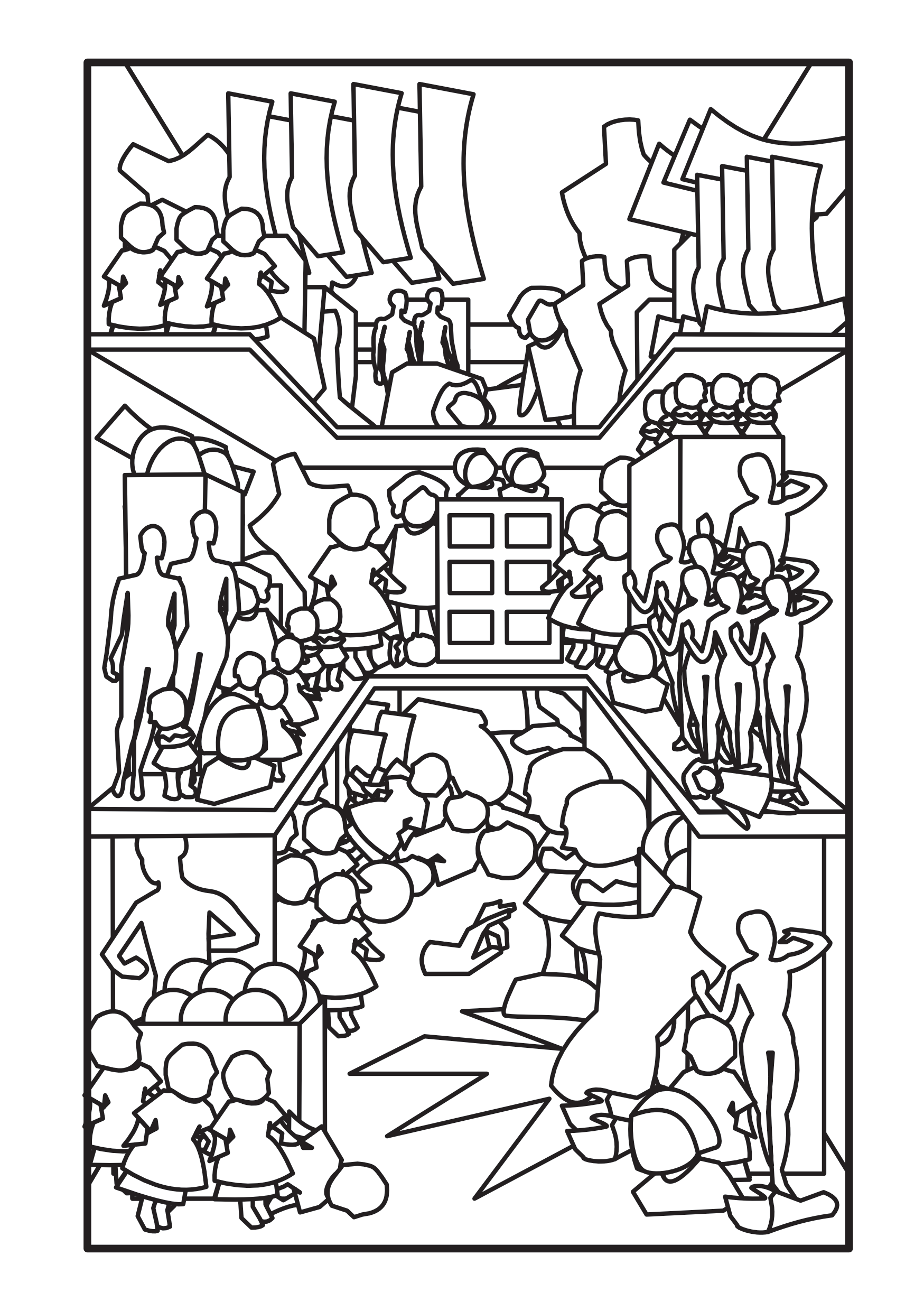
It’s certainly been a bit. I wanted to share some things. Last week I posted a new trifold dungeon to my Itch page: The Queen of the Hollow House. It’s a haunted ruin adventure for fantasy games. It’s inspired by an idle afternoon’s flip through of Moldvay’s Basic edition of Dungeon & Dragons and the arthouse film Last Year in Marienbad. And late last year I published this longish adventure location for Mausritter: The Box of Night. It’s kind of the Addam’s Family meets Charlotte’s Web, but creepier. If you ever wanted to have mice run around a spider infested doll hospital, then this is the adventure for you!
I’m not around here much anymore as you can see. I do send out a weekly update to backers on my patreon, which you can read for free. That’s where I talk books and everything else that kicks around my brainpan. So if you’re missing my ramblings, they’re just one click away.
Take care.
Black Spaghetti Hack Session 03: Goodfellows Mount
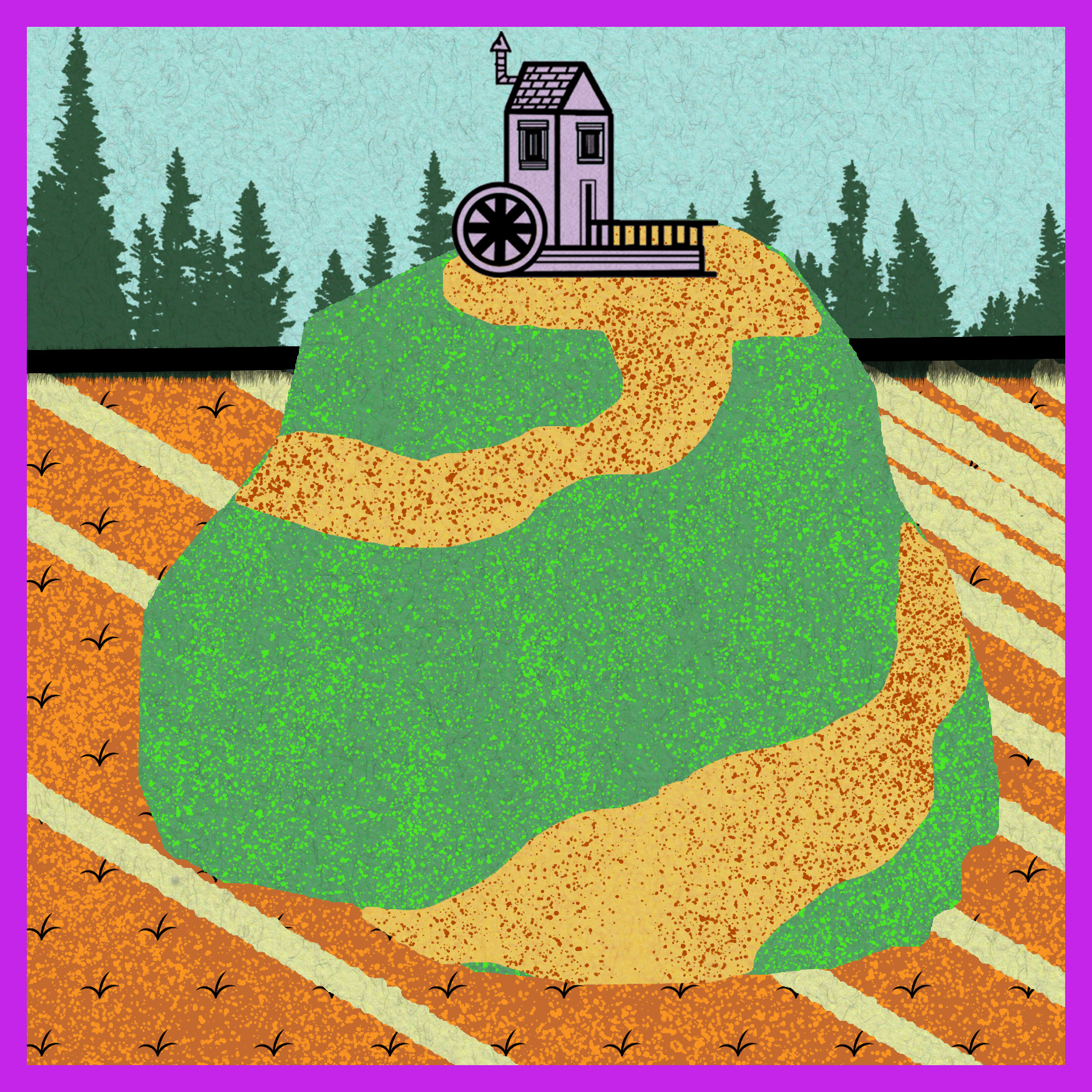
Last adventure, the party climbed up a hill. This adventure, the party climbed down a hill. In between, they had lunch.
The party reached the house at the top of the hill and after some boot-quaking, Ha’Des called out a “hello” and received a “come on in” by way of reply. So the party did, and walked right into the goodfellows playing cards before lunch.
An experiment:
To make the goodfellows (thuggish fae pixies) somewhat weird I had them be the characters from the Under Hill, By Water game we played. The goodfellows are meant to be game logic defying creatures. At least that’s the read I get on them from Brancalonia book. Since this was the same group, I thought it would be funny if the NPCs talked to the players by referencing their characters from other games. This got a chuckle, but not much else. Instead of approaching them as funhouse ride, the party viewed them as a puzzle to be solved. Don Hector noped out after a few interactions. Ha’Des played it straight. Nico tried to figure out how the magic “worked” in a mechanistic way. All that said they still kept to their mission which was to convince a goodfellow to come back to town with them.
Nico and Ha’Des did much of the negotiating. Don Hector feigned sleepiness and went to explore a backroom. After some finagling, Nico developed a rapport with the goodfellows and Ha’Des offered to make lunch for everyone. Meanwhile, Don Hector came upon a horrible icon depicting the goodfellows’ grandfather (a horrible trickster fae the players encountered in a different campaign). As he reacted to the sight, the floor swung down, sending him tumbling down the mountain along. Fortunately, he landed in a haywain at the base of the hill and not the dung heap. He then set out to climb the hill again, taking the road this time.
Back up at the top, Ha’Des is doing his best to cook with no ingredients beside water and a potato. Nico continues to chat with the goodfellows, and they start asking him questions about his time with the fae. (Nico spent his childhood working in a faerie workshop.) In particular, the goodfellows reminded him of this horrible Ice Queen figure he encountered one time when he tried to escape the faerie lands. Nico’s not happy to be reminded. Some more ingredients got found, but Ha’Des convinced the goodfellows the greatest ingredient in any soup was love. They buy this as the soup gets served.
Don Hector learned that taking the road to the top of the hill doesn’t work and found himself at the bottom again. He headed through the brambles and encountered the donkey again. This time, he tried to rob the donkey and ended up at the bottom of the hill again. So, he decided to wait to see if the others succeed.
Finally, Nico and Ha’Des managed to convince a goodfellow to come with them down the mountain. The fellow climbed in the cooking pot. At the bottom of the hill, a disgruntled Don Hector greeted them. Also, they noticed the goodfellow’s pot had begun ticking. Realizing this can’t be good, they hurried to bring the pot to Count Chico. The goodfellow appeared. Count Chico’s delighted. He pays the party and turns over Gwardo Izznardo. The party hurries out of town, but not before stocking up on soap for the road. As they’re leaving, they heard a loud explosion come from Count Chico’s manor house.
At last, Gwardo Izznardo demanded they stop for the night and reveal what they wanted with him. The party tried to keep the cup secret, but Gwardo sees through all that. He promised he won’t betray the players if they will look after him in his old age. They agreed, and Gwardo deciphered the riddle.
“Church Yard San Basle.”
“Where’s San Basle?” The party asked.
Gwardo didn’t know, except that it was on the other side of the River. He does remember there was a legendary wine with that name and maybe they should talk to a chef to learn where exactly it came from. Gwardo named three places where they might find a chef. The party discussed which might be best, opted for one, and set off.
Next adventure, on the road again!
Something Tookish
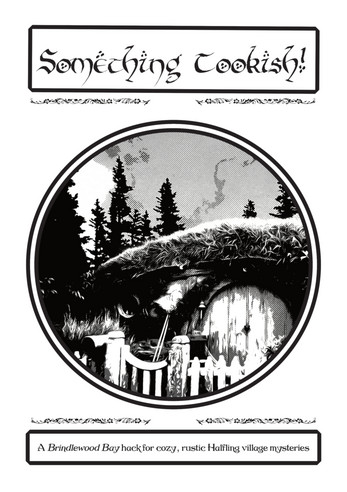
My buddy Gord published his Murder, She Wrote in the Shire TTRPG, Something Tookish, over at itch.io. I was lucky enough to get a chance to playtest this and it’s great fun. A real shenanigans generator! It’s the Brindlwood Bay/Under Hill, By Water mash-up you didn’t know you needed! (Also, I did some of the artwork.)
So, check it out!
INTO THE MYSTS

So after that TPK I mentioned a few posts ago, I switched my game over to Into the Odd.
We’re still using Mysthead 4 and going for a sword & sorcery vibe. I’ve added things like Cairn’s spell list and Weird North’s corruption into the mix. I’ve put links to all these games below. I also really like the idea of archetypes from Weird North and have made bespoke archetypes for my players. I’m not sure if this will be at odds with the initial semi-disposable nature of ItO characters as presented in the book*. It’ll be an interesting experiment.
Here are the archetypes and their abilities if you want to use them in your own game. Yes, some of them riff off the archetypes in the Weird North book. Also as you can see I use some other house rules like a refresh die and letting players burn a stat to get a bonus or recover an ability:

TRIBAL BEAST SINGER (AKA the Bard/Ranger)
GEAR: D8 hand weapon or a D6 missile weapon and D6 hand weapon, 2 random spell flutes, tribal clothes (armor 1), small net (can hold 1 medium sized or smaller creature), rope, Pack (3 days food, bedroll, torch)
ABILITIES (pick two, gain another when you trigger prestige)
- Wind Carver: spend a week carving a flute to gain a random spell
- Endless Tune: your spell tunes refresh on a 6. Take again to lower by one point. Other refresh rules apply.
- Naturalist: spend an hour listening to nature to learn a truth
- Nimble: advantage on DEX saves
- Animal Companion: an animal like a hound, hawk, snake etc. accompanies you. You can communicate with it.
- Friends in Small Places: pick a small type of creature (mice, rats, songbirds, spiders) – you can command them to perform simple tasks for you
- Keen-Ears: never surprised
- Tracker: can track a single quarry across any terrain
- Pathfinder: pick a point on land, you will always know which path to take to reach that place
PRESTIGE: recover a treasure …. And ??? (everyone has two: recover a treasure is the same for all… but the other one is more bespoke and I don’t remember what we decided here. Tame an animal?)
Refresh: roll a D6, on a 6 you regain the ability. Refreshes automatically after a night’s rest. Can be refreshed after a short rest in lieu of HP.
***
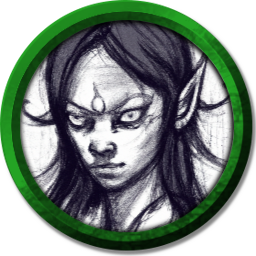
THE CULTIST’S CHILD (AKA What if Tieflings were less sexy and more like something from John Carpenter’s The Thing?)
GEAR: 2 daggers (D6) 2 spells (random) Leather armor (1) Grappling hook 1 random item Pack (3 days food, bedroll, torch)
ABILITIES (pick two)
- Grow a random boil for a random spell effect (refresh 6 or spend D6 DEX to auto refresh)
- Third eye: can see spirits and invisible creatures (usually closed and unseen)
- Vomit blast (D6 blast, refresh 6)
- Scales (+1 armor)
- Poison Immunity (ingested)
- Toxic Immunity (environmental)
- Rubber joints – can slip out of bonds and squeeze through narrow spaces
- Iron mind: makes will saves with advantage
- Quick Recovery – reduce refresh by 1
- Physical modification (gills, wings, hooves, tail)
PRESTIGE: recover a treasure, defeat a planar being
Refresh: roll a D6, on a 6 you regain the ability. Refreshes automatically after a night’s rest. Can be refreshed after a short rest in lieu of HP.
***

The Botanist (AKA the Botanist)
GEAR: D6 Weapon, 2 random potions, Armor 1, Sample Pack, Tea set: (Kettle, Mortar/Pestle), Pack (3 days food, bedroll, torch)
BASE ABILITY: Brew tea (spend an hour to collect and brew a healing tea that heals 2D6 single stat damage from one person, or 2 points single stat damage from multiple [max. 6])
Bonus abilities: (pick one now, get another when you trigger prestige)
- Naturalist: can craft potions and objects of minor power from salvaged monster parts.
- Plant speech: sit for an hour in silence communing with nature to learn a truth
- Call plants: you can command plants to grow faster (refresh 6)
- Survivalist: Can always find the safest path forward while on land.
- Forager: can always find an herb or ID a plant.
- Soothing Balm: can heal D6HP from self or another if you are not moving or attacking
PRESTIGE: Recover a treasure, make a discovery
***
Right now they’re stuck between menaces along with a researcher and a hapless mercenary. You can see them all up there in the picture at the top of this post. Deviltoads one way, magic portal to an alien hive the other.
Maybe they’ll escape…
* When I played Electric Bastionland part of the fun was that random character matrix of failed careers you could be. So if your character died the loss was blunted by getting the chance to play some other weirdo. The way I’m running things the characters are still as squishy as EB characters, but it took two days to come up with their bespoke archetype abilities. I suspect this will likely bite me in the butt eventually.
LINKS:
TPK: Post-Mortem

Nine sessions into my latest game and the hammer came down.
A TPK.
Yes, at least one of my players would object to me saying that, since their character managed to flee the conflict wounded, reach an island, and crawl beneath their overturned rowboat as the buzzing of a group of stirges approached.
And as is always the case I wonder what went wrong.
Yes, there were bad decisions and bad dice rolls, and one night we should’ve called the game at a cliff-hanger point instead of pressing on – but things happened as they happened. Now everyone’s making new characters (and we’re changing the rule set while staying in the same setting), but as is the case it’s time for introspection and dissecting the game to see what worked and what didn’t.
Here we go…
THE BASICS
Rule set: Through the Sunken lands by Flatland Games. It’s a retroclone and one I’ve used before.
Characters: A Pirate Captain, the Goblin’s Child, and the Student of the Dark Arts (players could pick playbooks from either Through Sunken Lands or Beyond the Wall). This ended up being a fighter/thief, a fighter/thief/mage, and a mage. The playbooks are fun, but they can be disappointing when the rolls don’t go your way. Despite two fighter types I don’t think anyone started with a strength above 13.
House Rules: The use of fortune points was expanded. Spend two to shrug off a spell effect. Spend a fortune point to regain a HD of HP on a short rest.
Advancement: XP was a combination of pop quiz style (each adventure offered a basic amount of XP for accomplishing certain goals) and XP for loot. Loot however needed to be spent in town. A carousing table was used.
Since characters got XP for loot, there were instances of one character splitting off from the party, getting very lucky, and getting loot the other characters never knew about. (The players knew and rolled their eyes in disgust… or at least I imagine they did. We play online without any cameras, but I swear I could hear the eye rolls.) This also meant times where the party had loot they needed to convert to XP, but had to travel to a bigger settlement to spend it. This was the situation before they died. Still I liked this mechanic and the mix of XP awards. But it did incentivize a certain selfishness among the players (or at least it did in that one heel player). This, however, fit the sword & sorcery vibe in my opinion. Whether the selfishness led to the TPK is debatable. The party never really came together as a group loyal to each other and able to strategize together.
Equipment: Inventory slots and a usage die. Both of these worked well, but they did seem to have an infinite amount of rope.
THINGS THAT MAYBE DIDN’T WORK
Nothing. I’m perfect.
Uhhh… I mean…
Time Management: You get a feel for the game and when something tells you this is a good point to end the session, end the session. It’s okay to finish 35 minutes ahead of the usual time. Better too short than too long. If the game had been cut early one night, then players would’ve had a week to prep/ask questions before going into the encounter that killed them*.
Avoid Bullet Time: There’s a tendency to want to play out every moment of game time. That’s not always necessary. The loot mechanic of get back to town to gain XP maybe encouraged some bullet time, since if the game ended with them making camp, the next session would then be them getting back home. Often a random encounter would happen that would then thwart their objective to get home and send them deeper into danger and deeper into turns and bullet time.
Telegraph Threats: It’s fun to make things weird and unpredictable, but (as an example) giving a goblin a breath weapon where they can vomit out a slurry of jagged gravel that does D6 damage to everyone in range may be fun, but A) it induces paranoia in players, which can lead to analysis paralysis, B) it also makes it difficult for players to determine what they should worry about.
Information Economy in the Fog of War: Is it punishing the players by withholding information about their current mission, because they spent their one opportunity to research things researching some other information they thought was more important? Is that a failure on the GM’s part for not telegraphing what details are important? Should the GM even worry about this? Are players supposed to say (hell, even know!) the magic words that will trigger an NPC to give the relevant information or should players just be given the damn information that might be relevant? In other words…
Should players hear about a thing (that may be relevant) even if they never ask about the thing?
Questions. Questions.
* Yes, that character made it back to the beach so the campaign actually ended with the lone survivor cowering under an overturned rowboat and a fade to black as buzzing approached.
The Next Mysthead


So I’m putting together another zine. This one is going to be inspired by my current D&D* game: a swashbuckling, island hopping sword & sorcery game. But it’s also going to be a toolkit for running similar type games with generators for vessels, islands, cargoes, and travel rules like the above hexflower encounter matrix. My goal’s to finish it by the end of the year, but I’m on schedule to finish it sometime before that. When it’s done I’ll post it over on my itch.io page.
If you’d like to support its creation and get sneak peeks of its progress (along with other stuff) please consider supporting me on Patreon.
Thanks for reading!
* It’s not D&D but a different system. It’s just easier to call all role-playing games D&D.
Into the Odd: Actual Play
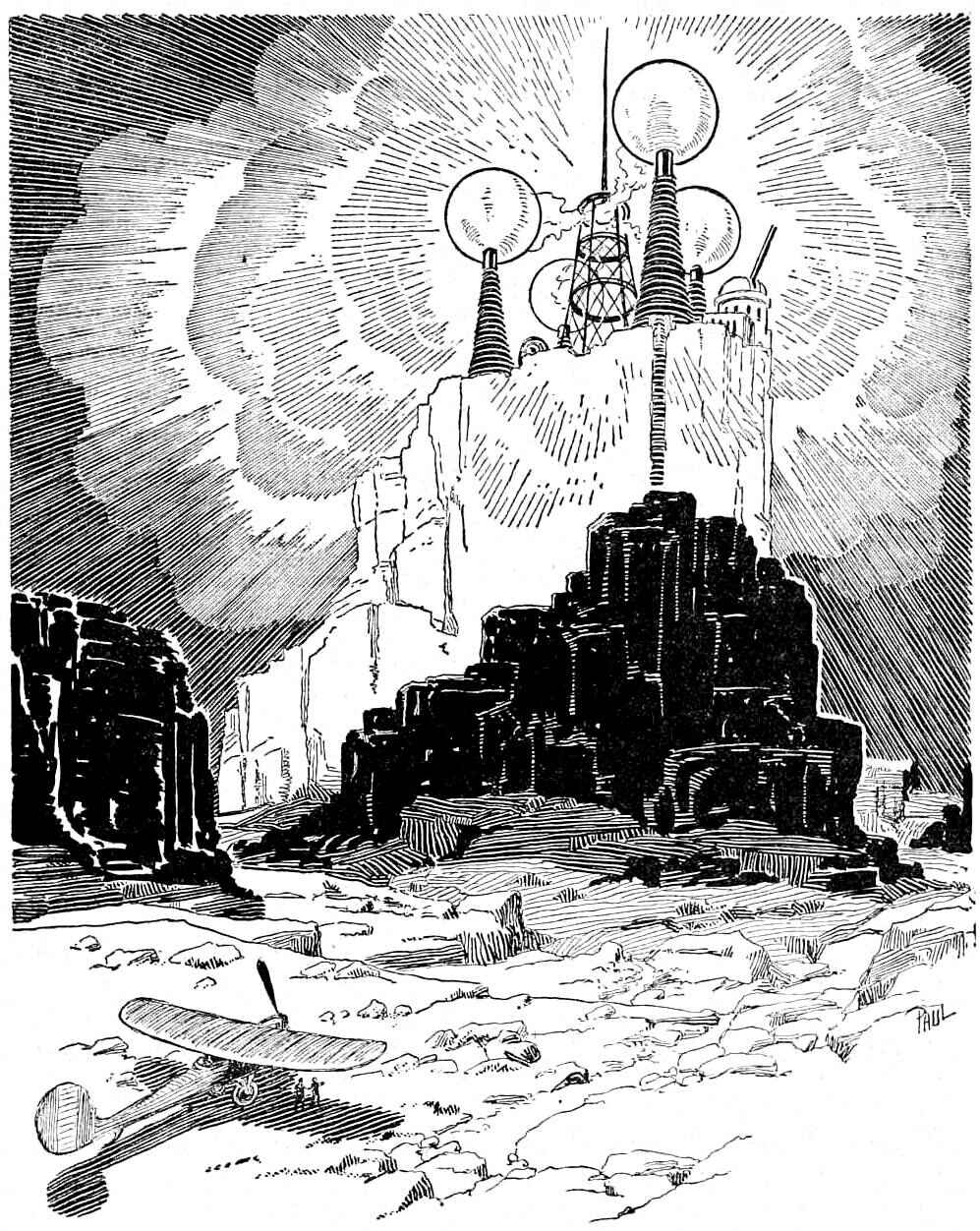
I recently ran a game of Into the Odd using the scrypthouse write-up from my Mysthead 3 ‘zine (itch.io page here). It was fun. The players were repairman sent to determine why a local scrypthouse had gone silent.
Using the pathetic fallacy generator from the ‘zine, I rolled up a house that craved silence and dampened sounds. For the cause of the trouble I decided the local corps members had come into contact with a void wraith and been taken over by a bad signal. I also stuck a roaming void miasma around the station’s roof and a juvenile pig herder having an altercation with a rival adventurer nearby.
The players arrived. When they got within sight of the house they promptly heard shouting, gun shots, and the squeals of pigs. Approaching with caution, they came upon a scene of dead pigs, angry pigs, a shouting swineherd, and an old man in heavy armor standing atop a rock reloading his rifle. So the players split up. One approached the swineherd, the other approached the old man. Sadly, the pigs caught the latter repairman’s scent and attacked.
Chaos ensued. The repairmen drove the pigs away and took the swineherd hostage. The child proved belligerent and eventually escaped. The old man introduced himself and gave some backstory. He came here to meet a friend. The station’s locked. The pigs are weird. Yadda. Yadda. Time to go in.
One repairman starts work on unlocking the door while the other does a sweep of the building’s perimeter. He doesn’t get far before the miasma attacks those at the front of the house. Fortunately, they managed to get the door unlocked and get inside. Things get worse from there.
The interior’s a mess. The corps technicians are all signal-zombies. Exploration happens. One repairman gets infected with a lexical fungus (mildly amusing, but dropped after a few minutes). They reach the brazen head and find it disconnected. Before they can check it out the old man’s friend walks in and kills the old man with a belch of void static. Cut off from the front door the repairmen have no choice but to flee deeper into the station. They manage to reach the basement and activate the back-up brazen head. It gives them some suggestions, but really the repairmen are as freaked out by it as all the signal-zombie weirdness upstairs. Or downstairs now. The void wraith’s found its way into the basement.
More cat-and-mousing ensues. The repairmen manage to get back upstairs. One’s now for high-tailing it out of the station while the other wants to destroy the void-wraith. High-tailer reluctantly agrees to assist. The void-wraith shows up and the plan’s to lure it into a room full of gizmos and zap it. This works, but doesn’t kill it. High-tailer runs for the door, while the other grabs the old man’s gun.
*click*
The old man hadn’t a chance to reload the gun before getting killed. The void-wraith kills the repairman. High-tailer returns and kills the void-wraith. The corps techs return to their sense. The void miasma disappears. The surviving repairman gathers up the dead.
OVERALL
I liked it. It felt like running B/X D&D without the baggage. Combat took me a bit to get used to. And the lexical fungus proved more a spark for a few table laughs than a solid game mechanic. Now I’m thinking how to run ItO as as a Numenera-esque settlement-building game. My take is that the system’s aesthetic is fueled as much by its illustrations as by its mechanics, and it doesn’t have to be some flavor of Edwardian Paranoia.
Recent Games I’ve Played
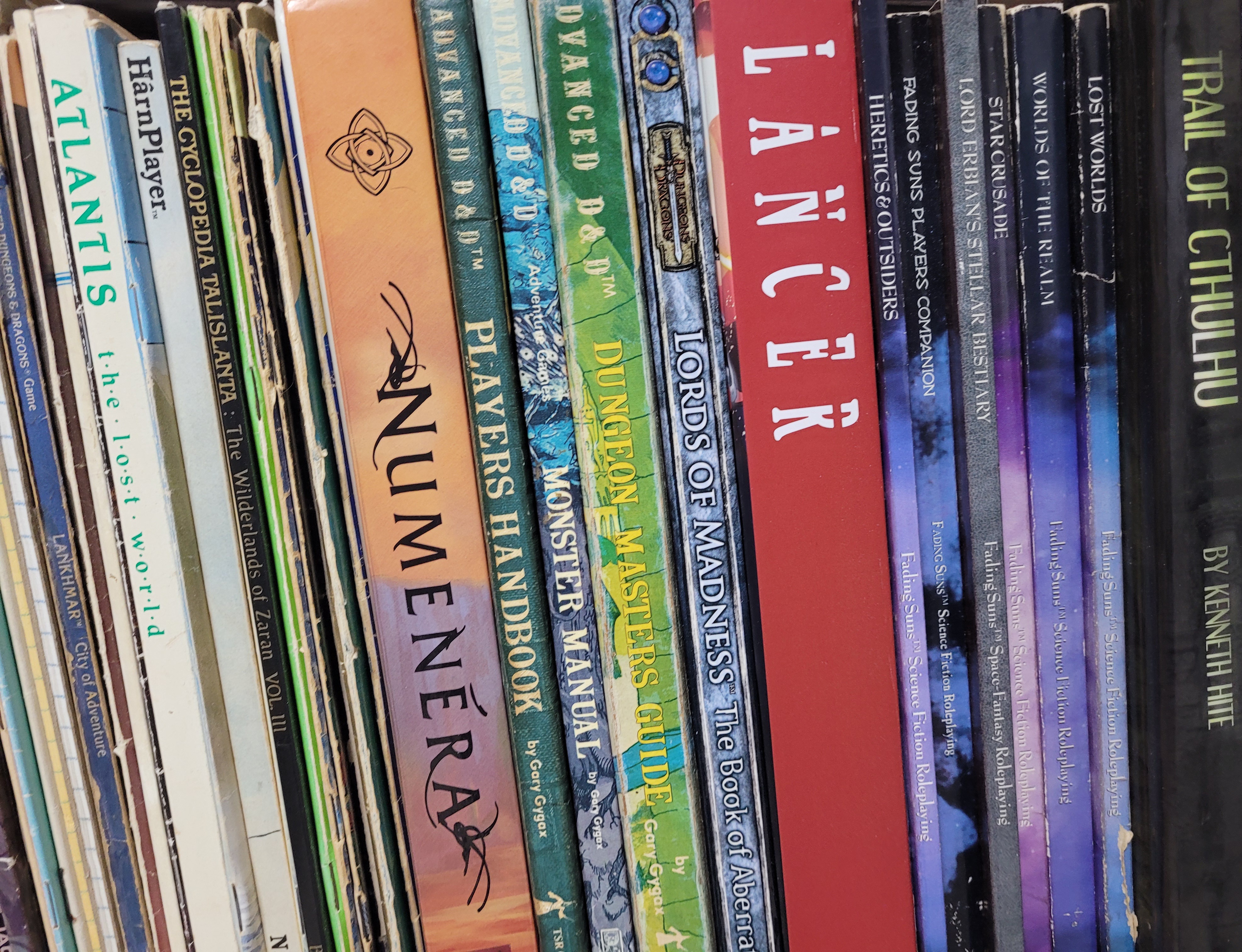
I’ve been playing some games. Here’s what I thought about them:
Worlds Without Number: I wasn’t a fan despite my love for Stars Without Number. We made characters and I ran a few combats. Overall, I found it too crunchy. I think Kevin Crawford is designing a very different game than one I want to play. For one, I’m drifting away from games with detailed skill lists. I’d rather it was all summed up in a word or two background/archetype. Still, the chassis fascinates me, and as always the world-building tables are brilliant.
Scum & Villainy: Space games are hard. Everyone has different expectations of how science-y they should be. Are we playing Star Wars, Star Trek, Alien, Dune, or what? Is there FTL? Is there FTL coms? Can I download a city map to my communicator? Etc Despite all that playing Scum & Villainy has been fun. That said FitD games aggravate my adversarial player vs GM tendency that make me an obnoxious player. I want to plan the heist away from the GM’s eyes so they can’t prepare or counter for it, which has likely made our GM frustrated (sorry). Also, FitD games use too complex terminology (position, effect, quality) that get in the way of the game. Maybe this is the result of Roll20’s pop-up window getting buried under tabs and popped out crew ship character sheets, but figuring out position always slows momentum.
The Quiet Year: We used it to develop the backstory for a horrible place in our Scum & Villainy game. Great to play in tandem with another game to flesh out some backstory as well as on its own.
Into the Odd: I ran a game using Mysthead 3. I liked it and will probably write it up in more detail. It was fun and light-weight enough that I felt like I could easily bolt more complexity to it without a problem. And contrary to the advice its designer gives elsewhere I’m fine doing stat tests to avoid outcomes. My biggest concern is what’s the typical campaign’s longevity? Could a game that meets weekly for a year be built around a single group of characters or is this better for one shots? At some point I will likely make my own bespoke setting for it.
Bedlam Hall: A PbtA game where you are the servants to a family of awful aristocrats. Great fun for a one shot or short campaign, but run it too long and you have to wonder why your servant hasn’t quit yet. Which can be its own fun. In our game the goal ended up being to survive long enough to hand in your resignation. A great game for that gamer who wishes Paranoia had a Jeeves and Wooster supplement.
Delve: a solo dwarf-hold building game. I focused more on the map-making bits than the combat/resource management game. My goal was to make something to use in a Play-by-Post game I hope to run later this year. More about that if it ever materializes and proves interesting. This game gave me a good setting and an interesting story, which was exactly what I wanted from it.
Scrypt: A Lexical Fungus
It’s been a bit. I’ve been lazy. I’ve also been working on another issue of Mysthead. I might also have started to post some game stuff to itch.io. Mostly bespoke classes for Old School Essentials and an adventure.
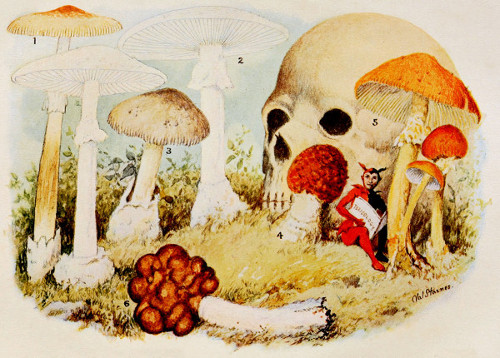
One thing I want to add to my game table are condition cards that impact roleplay as opposed to mechanics. One inspiration was the card game The Grizzled, but I’m sure it’s been used elsewhere. So I took that idea and mushed it with the notion of what if languages could be infected with astral lichens and, lo, scrypt was born!
…
Scrypt is a living language despite being millennia old.
A remnant of the wars between the proto-gods, scrypt thrives like a linguistic lichen within the fertile soil of other languages. When one reads scrypt the words remain inside the mind. This can allow an untrained person to cast spells. However, it may also allow suggestions, enchantments, and worse to take root in the minds of the unwary. More importantly, scrypt attracts aetheric parasites when not maintained properly. Using scrypt is not to be done lightly.
Beware of scrypt-skull!
After every use of a scrypt-carrying scroll, the user must make a WILL save. If they fail, consult the table below. Effects last D4 hours.
(Give a reward, XP, fortune point, whatever, to players who make a valiant effort.)
- Jobberknowl: All nouns must be reversed when spoken, ie “knife” becomes “efink”.
- Dretched: Replace the first syllable of polysyllabic word with the prefix “dretch-”
- Coranto: Speaker must knock twice at the start and end of every sentence.
- Imbrangle: The speaker must start every sentence with “Imbrangletanglemangle…”
- Zelant: The speaker must include at least one blasphemous phrase in every sentence.
- Nullfidious: The speaker can only answer questions in the negative, although they believe they are answering accurately.
- Grudgins: All nouns are replaced with names of prepared foods like “pickled herrings” or “sliced ham”.
- Javeljaum: Classic spoonerisms, swap the prominent sounds of close words.
- Igniferent: The speaker must discuss the flammability of every noun they mention when speaking.
- Stelltwire: Speaker must replace spoken nouns with words that rhyme with the intended words.
- Colsleck: Speaker inverts the syllables of words when speaking.
- Chrysopo: Speaker appends the syllable -opo to every syllable they speak.
- Cinqpace: All numbers are increased by one, ie “Anyone for tennis?” becomes “Anytwo five elevenis?”
- Xeriff: The speaker gains a fluent knowledge to a centuries outdated legal code and references it constantly.
- Saltimbanco: The speaker turns every conversation into a sales pitch for Saltimbanco, an invigorating health elixir.
- Katexoken: The speaker will only speak if addressed as royalty.
- Dogbolt: Speaker must add -og- before each vowel in a syllable.
- Nist: The speaker can not remember the exact name for any item or person.
- Haqueton: Speaker drops the first letter of every word.
- Yblent: Speaker must shift vowels one place to the right (“a” becomes “e”) while speaking.
And that’s that. My goal is to get the rest of the zine done before December, which I am on track to do. That’ll be over on my Patreon when it goes live. There’s a poll there now to determine next year’s old weird book to read.
Mysthead 2 // Who or What Is the Boss?

Hey all,
I’ve put together another issue of “Mysthead” my RPG fanzine. You can get it and the first issue by supporting me on patreon. CLICK THIS TO GO THERE. In this issue you’ll find lore about Mysthead’s elf and goblin populations, a playable gossiping spider race-class (“The Rumormonger Spider”) for Old School Essentials, and tables to generate whispering skulls, hot spider gossip, and elf-goblin political structures. So as not to make this post a complete advertisement, I’ve included the elf-goblin political structure generator below.
Take care for now!
***
Elves and goblins often have peculiar ways of governing themselves. While all manner of geases may determine what actions may or may not be taken when within either ones domain, there is usually some higher authority consulted in times of great peril or confusion. Often these have a clear criteria they follow: the most cunning, the eldest, those who achieve some renown. Other times the criteria is more obscure.
Below you will find an assortment of odd sovereigns to rule over your goblins and elves. Roll, choose, and/or mix and match:
- A class of astronomers who seek advice from the stars. Their wisdom is renowned.
- An ancient tree at the center of the Arkenwyld and served by an order of life-bound guardians.
- A sacred book that rewrites itself every day.
- A great elder abstracted with age and lingering on the brink of stupor.
- A young sovereign wrestling with their first bout of nostalgia.
- Your mom. My mom. Every body’s mom. The literal All-Mother
- An ancient ethernaut stranded in this world by the vortex shoals.
- A squabbling court of siblings intriguing against each other and eager to find allies.
- A council of ancients, so old they resemble cicadas. Time has no meaning to them.
- A singing harp, whoever can master its song rules for a decade.
- A council of white-coated priests who read the movements of rats in a maze.
- A set of bone dice kept locked in a vault. They bear no numbers or glyphs and can only be read by a trained seer.
- A human child, obnoxious and utterly spoiled. The child’s about eleven.
- Three gnomes in a trench coat. It started as a gag but now they’re in too deep.
- A spider of epic proportions that feeds on secrets and makes its lair in a darkness beyond reason.
- The movements of some infernal or divine beast like a hen or a pig. It is attended by priests and kept within a heavily guarded enclosure.
- The winner of an extreme athletic event done without assistance and far from sober. Not all who attempt it return.
- An odd stone that weeps a slurry that induces visions. It’s not from this world, nor even this reality. The hangovers are abysmal, but it works.
- An elf sovereign exiled from another land. They are keen to get their revenge and regain their kingdom.
- An intelligent monster like an ogre magi, dragon, or sphinx kept as a prisoner. They are treated with reverence but know they live in a gilded cage and long for their freedom.
 Yesterweird